- Series
- The guidance room
- The Guidance Room Arne
The Guidance Room - Arne
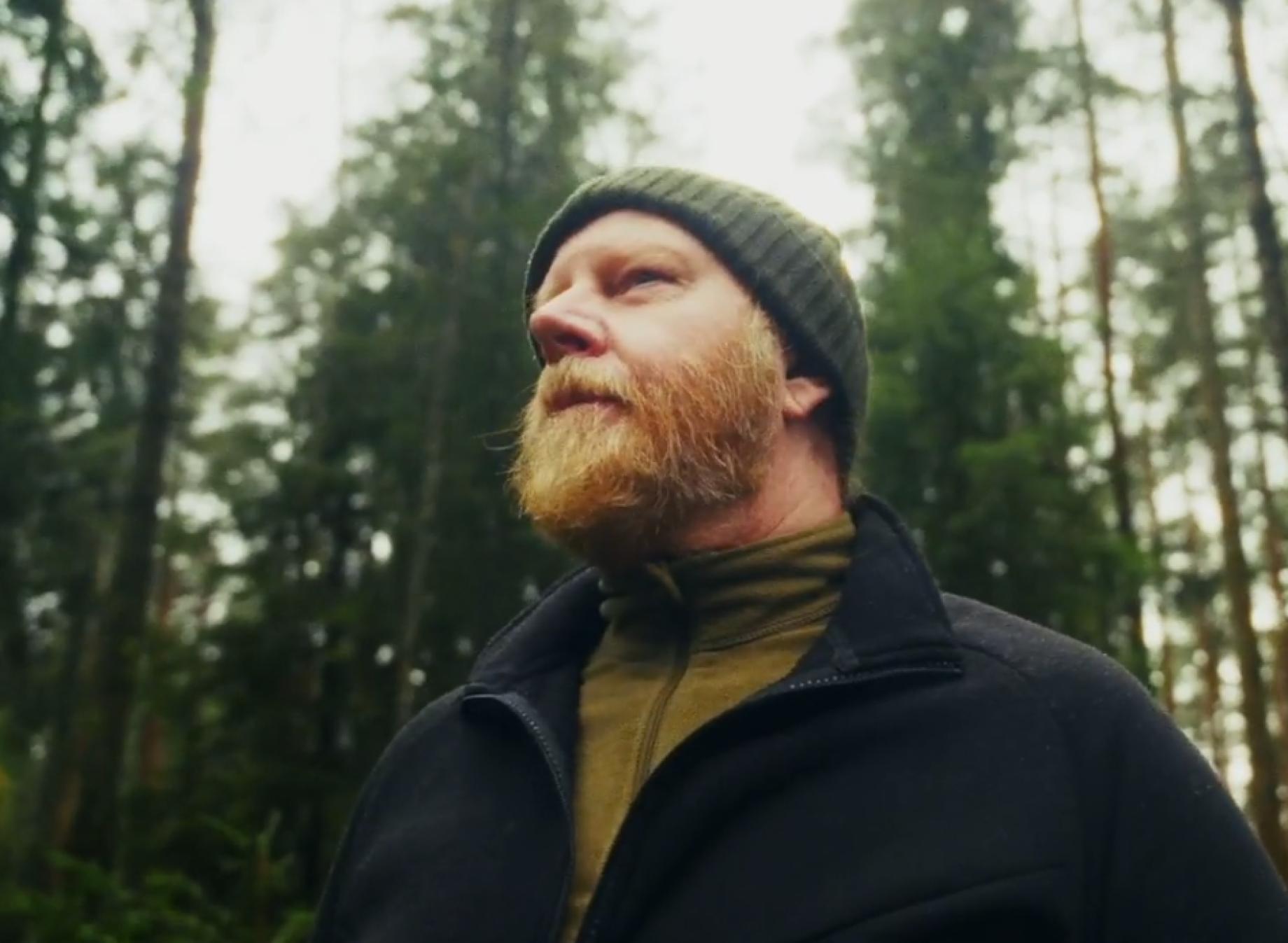
Arne is in his late fifties. He has worked his entire adult life as a forestry worker and has always known “what to do” — using his body, working outdoors and taking pride in practical, skilled work. This case illustrates situations where older adults face sudden job loss and need support in identifying competence, understanding transferable skills and exploring realistic opportunities in the labour market.
About the Case
Arne is in his late fifties. He has worked his entire adult life as a forestry worker and has always known “what to do” — using his body, working outdoors and taking pride in practical, skilled work. When his company went bankrupt, Arne lost his job along with several colleagues. With little formal education and no experience outside forestry, he now struggles to imagine new possibilities.
This case illustrates situations where older adults face sudden job loss and need support in identifying competence, understanding transferable skills and exploring realistic opportunities in the labour market.
Structure of the Case
The case consists of four parts:
- Background information about career guidance for seniors in Norway.
- Episode 1 introduces Arne and his situation.
- Episode 2 shows selected moments from his guidance session, including meaning-making, competence mapping and exploring opportunities.
- Thematic reflection questions for professional discussion.
Background: Career Guidance for Seniors in Norway
People who lose their job receive follow-up from the Norwegian Labour and Welfare Administration (Nav). They may also receive guidance at a public career centre (karrieresenter). Public career centres offer free, professional guidance to residents of all ages. Services may include:
- support with educational and career choices
- insight into job opportunities and labour market transitions
- skills mapping and recognition of prior learning
- CV and application support
- digital services, group sessions and workshops
Nav provides additional follow-up related to job seeking, qualification measures and transitions back into employment, especially for adults with long work histories.
The Directorate for Higher Education and Skills (HK-dir) has a public website in Norwegian for information about education and work at Utdanning.no, and offers digital career guidance at Karriereveiledning.no, which is free and available to the entire population.
Purpose of the Case
This case is intended to support reflection on:
- how practitioners meet older adults who experience job loss, uncertainty and reduced confidence
- how to identify and articulate skills linked to long-term practical work experience
- how to normalise feelings of loss, change and transition
- how to support realistic and motivating career exploration near the end of working life
The film excerpts represent short moments from a longer guidance process and are intended to stimulate professional dialogue rather than represent best practice.
Episode 1: Meet Arne
Meet Arne
After Watching Episode 1
Reflect together on:
- What career-related challenges is Arne experiencing?
- What elements of Arne’s situation do you recognise from your own practice?
- How might age, work identity and sudden job loss influence career learning?
Del 2: The guidance
Step into the Guidance Session with Arne
The three key moments in the career guidance session focus on:
- The meaning of work
- Competence mapping
- Job opportunities
After Watching Episode 2
Reflect together on:
- What aspects of the guidance session with Arne stood out to you?
- How did the practitioner support meaning-making and competence identification?
- What else might have been explored in a longer session?
- Which competence areas do you observe in the practitioner’s approach?
Episode 3: Reflection
Discuss thematic questions
Arne is an older adult who is set to retire in a few years. What are the differences between counseling a senior versus a younger person? What is the approach to career counseling when the guidance seeker is nearing retirement?
Feel free to use these reflection questions as a starting point for further conversations about the guidance process with Arne.
Building a Supportive Relationship in Career Guidance
Arne enters the room reserved, uncertain and doubtful about the usefulness of guidance.
- What does the practitioner do to ensure a positive start, and which competencies are visible?
- Do you use small talk intentionally in your own sessions?
- How do you read body language and other cues when choosing how to approach a guidance seeker?
- The practitioner frequently uses Arne’s name. What impact can this have — and can it sometimes have the opposite effect?
- Does age influence how you address and engage with guidance seekers?
Ownership of the Guidance Process
Arne does not know what career guidance is or what to expect.
- How can you help guidance seekers take ownership of their process?
- How do you uncover their personal wishes when they struggle to articulate them?
- What do you do when your planned structure does not fit the seeker’s needs in the moment?
- Which other methods might be used to map competence besides storytelling or describing a typical workday?
- How do you normalise job loss or other transitions in a way that reduces shame and increases agency?
Counselling Skills in Career Guidance
Arne speaks very little at the start, and the practitioner asks many questions to open the dialogue.
- What types of questions do you prefer to use in your sessions?
- How do you decide when to use open or closed questions?
- How do you use listening techniques to show presence and understanding?
- How do you ensure the guidance seeker feels heard — and can they sense if your attention drifts?
The Meaning of Work
Arne has lost a job he loved: working outdoors, using his body, being independent and taking responsibility.
- How do you explore the meaning of work with guidance seekers who have experienced job loss?
- How can positive work memories be used as a resource for meaning-making and competence identification?
- How do you support someone who feels that “there is no use for people like me anymore”?
Competence Mapping and Job Opportunities
Arne identifies key competencies: safety routines, planning, logistics, machinery handling, independence, reliability and interaction with suppliers and contractors.
- How do you help adults articulate skills gained from practical work?
- How do you explore industries and job roles that might value these competencies?
- What strategies can help older adults expand their understanding of relevant opportunities?
- How can follow-up tasks (e.g., listing all companies he has worked with) support continued career learning?
